The Interplay of Reward Mechanisms and Retention Dynamics in App-Driven Gaming Platforms
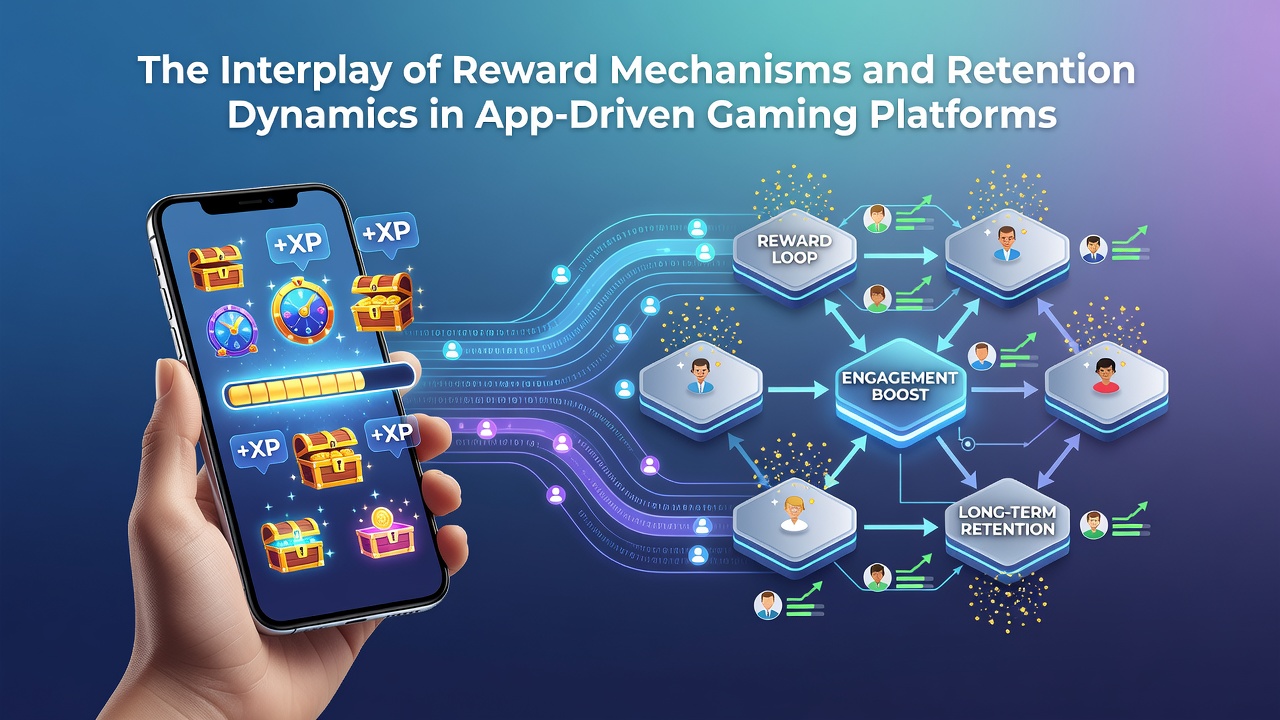 People often find that reward mechanisms in app-driven gaming platforms operate through structured systems of progression, daily incentives, and achievement unlocks that encourage repeated interactions. These elements connect directly with retention dynamics because developers design them to reduce churn rates while increasing session frequency. Data from industry reports released in early 2026 shows mobile gaming apps maintain average retention rates around 25 percent after 30 days when reward loops align with user goals, whereas platforms without such integration see steeper drop-offs. Observers note several core reward types across popular titles. Progression systems grant experience points and level-ups after completing tasks, daily login streaks deliver incremental bonuses that reset on missed days, and achievement badges recognize milestones like collecting items or reaching score thresholds. In-app events such as limited-time challenges add urgency by tying rewards to specific time windows. Researchers discovered that these mechanics draw from behavioral principles where variable reward schedules, similar to those studied in psychology, sustain engagement longer than fixed payouts.
Retention Metrics and Measurement Approaches
Retention dynamics rely on standard metrics tracked by analytics platforms. Daily active users and monthly active users provide snapshots of engagement volume while cohort retention curves reveal how many players return on day one, day seven, and day thirty after installation. Churn prediction models incorporate signals like declining session length or skipped reward opportunities to flag at-risk accounts. Figures from global app intelligence sources indicate that apps optimizing reward timing achieve 15 to 20 percent higher day-seven retention compared with baseline versions.
What's interesting is how platforms segment users by behavior clusters. Casual players respond more to simple daily rewards whereas dedicated users engage deeper with competitive leaderboards and social gifting features. Experts have observed that cross-platform sync of progress and rewards helps maintain continuity when players switch devices, reducing friction that otherwise leads to abandonment.
Connecting Rewards Directly to Retention Outcomes
The interplay emerges most clearly when reward frequency matches player expectations without creating fatigue. Short-term rewards like energy refills or currency packs keep immediate sessions active while long-term systems such as battle passes or seasonal events build commitment over weeks. Studies from academic institutions reveal that well-calibrated reward density correlates with lower uninstall rates because players perceive ongoing value in continued participation.
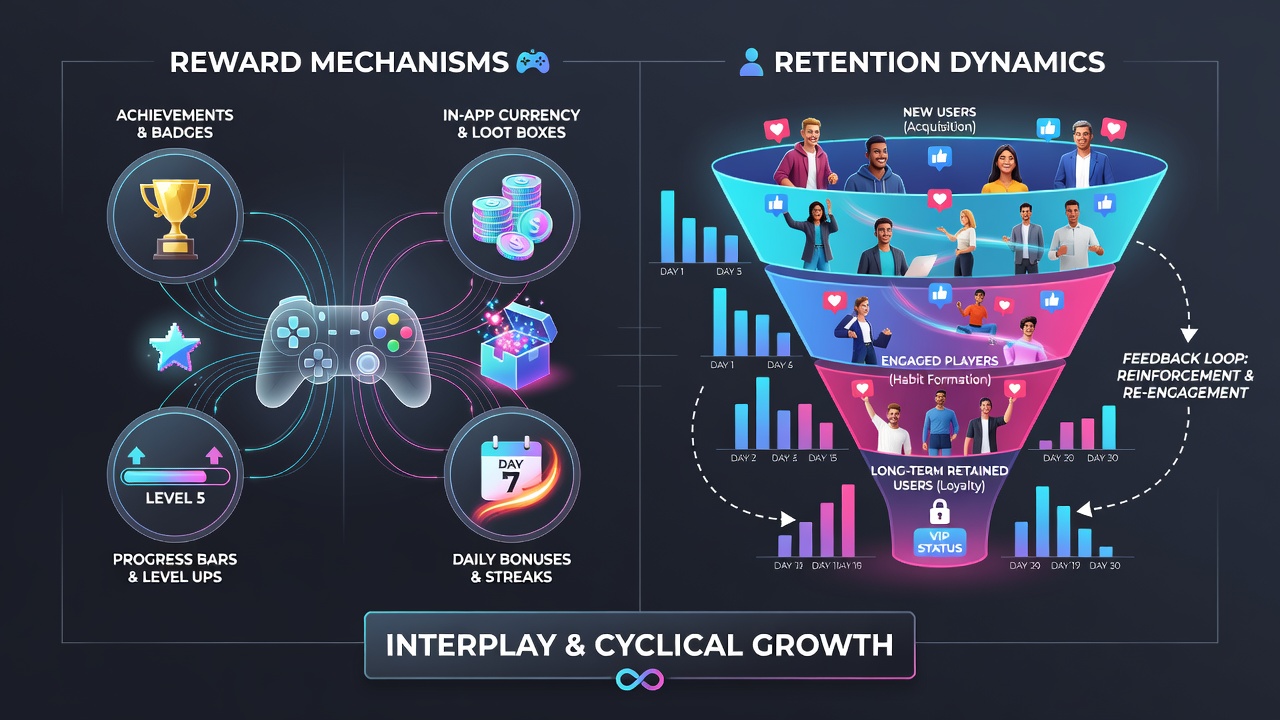
Turns out that timing plays a decisive role. Notifications sent shortly before a streak expires or when a new reward tier unlocks prompt returns without overwhelming users. Platforms that personalize reward offers based on past activity see measurable lifts in retention because the offers feel relevant rather than generic. Government data collected by the Australian Communications and Media Authority highlights how digital entertainment apps in the region reported sustained user bases in 2025 when reward personalization increased.
Trends Observed Through Mid-2026
By June 2026 several patterns had solidified across major app stores. Hybrid reward models combining free progression tracks with optional purchases gained traction because they accommodate different spending levels while preserving access for all users. Social integration features, such as guild-based reward sharing, extended retention by adding community accountability. Machine learning algorithms now adjust reward difficulty dynamically to keep challenges matched to individual skill curves, preventing both boredom and frustration.
One study from university researchers tracking thousands of sessions found that platforms introducing adaptive reward pacing retained users 12 percent longer than those using static schedules. Industry organizations like the Entertainment Software Association documented similar shifts in their annual reports, noting that data-driven reward tuning became standard practice among top-grossing titles. Entertainment Software Association annual reports further detail how global markets adopted these approaches across console, PC, and mobile ecosystems.
Implementation Considerations Across Platforms
Developers balance reward generosity against sustainability because excessive free rewards can devalue in-app purchases. Testing frameworks allow teams to run controlled experiments on reward variants while monitoring downstream effects on retention and revenue. Regulatory frameworks in regions outside the UK emphasize transparency around randomized reward elements, requiring clear disclosure of probabilities so players understand expected outcomes.
Those who've studied this space know that successful platforms iterate continuously. They review retention data weekly, adjust reward parameters, and retire underperforming mechanics before they erode trust. Cross-regional comparisons show that markets with strong consumer protection rules around digital goods maintain higher long-term engagement because players feel the systems operate fairly.
Conclusion
The relationship between reward mechanisms and retention dynamics continues to evolve as data collection and personalization technologies advance. Platforms that align reward delivery with genuine player motivations sustain healthier user bases over time. Evidence from multiple sources confirms that thoughtful integration of these systems supports both engagement depth and duration without relying on any single tactic. Continued observation through 2026 and beyond will clarify which combinations deliver the strongest results across diverse player populations.