Mobile Gambling Platforms Coordinate Verification Checks With Early Bonus Access
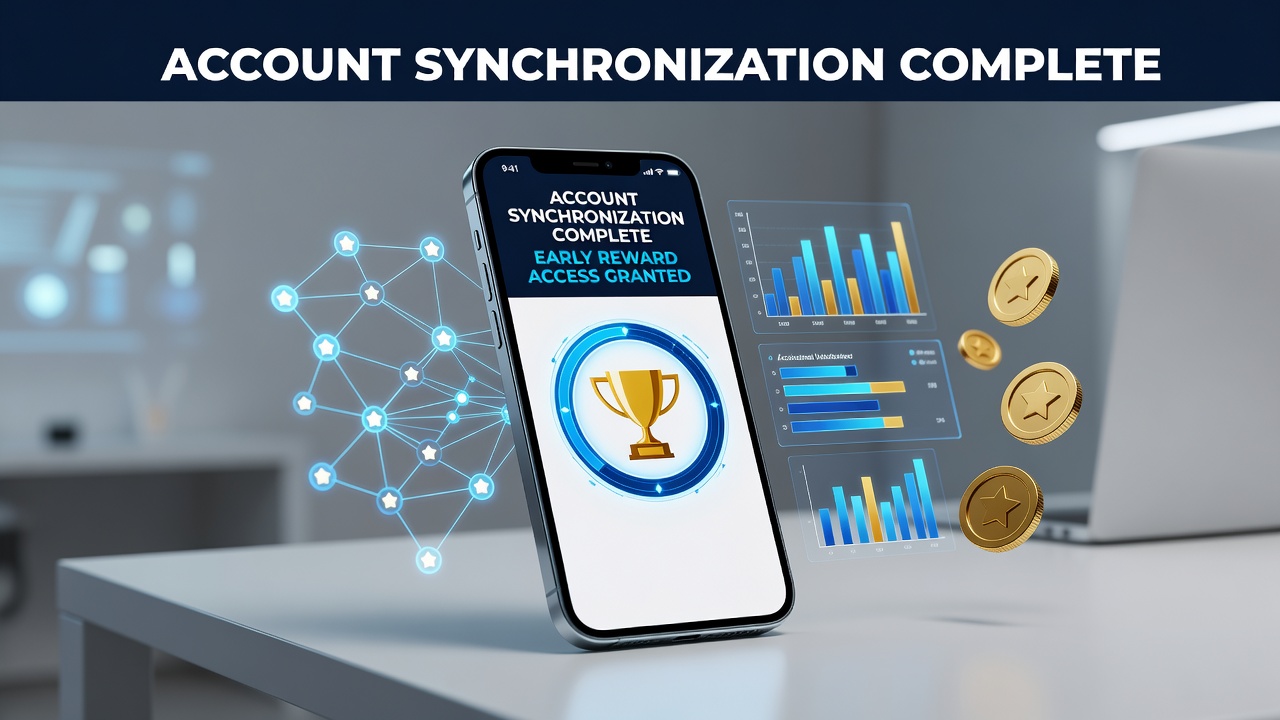
Portable gambling platforms have developed systems that align identity verification procedures with the release of early rewards, allowing users to access bonuses while security protocols complete their checks in the background. These coordinated processes rely on automated data matching, real-time API connections between verification services and reward engines, and tiered access levels that grant partial functionality during ongoing reviews.
Core Mechanisms Behind Synchronized Verification and Rewards
Account checks in mobile gambling environments typically involve document uploads, biometric scans, and database cross-references with government records or credit bureaus, yet many operators now permit limited reward access once initial automated flags clear without waiting for full manual approval. Research from the Responsible Gambling Council indicates that such synchronization reduces average user wait times from several hours to under fifteen minutes in compliant jurisdictions, because platforms segment reward types into immediate low-value credits and deferred high-value redemptions pending final clearance.
Developers integrate these features through modular software architectures where verification status updates trigger conditional reward scripts, and this approach has gained traction as device sensors improve facial recognition accuracy and network speeds support faster data exchanges. Observers note that synchronization becomes particularly relevant on portable devices because users expect seamless experiences similar to other mobile financial applications, and delays in one system can prompt abandonment before rewards activate.
Technical Implementation Across Different Regions
In Canada, provincial regulators require operators to maintain audit logs that demonstrate verification steps occur before any reward monetization, yet early access models remain viable when platforms freeze withdrawals until full compliance. Australian frameworks emphasize consumer protection through mandatory cooling-off periods after verification, which some operators combine with progressive reward unlocking to maintain engagement without violating rules. Data compiled in mid-2026 shows increased adoption of these hybrid models following updates to digital identity standards that allow reusable verification tokens across multiple sessions.
One study revealed that platforms using synchronized systems report higher retention during the first seven days after signup because users receive immediate value through free spins or deposit matches while background processes finalize. Experts have observed that integration often requires collaboration between compliance teams and product developers to ensure reward engines respect verification flags without creating separate user flows that complicate the interface.
Security Considerations and Data Handling Practices
Security protocols within these synchronized environments encrypt verification data at rest and in transit, while reward engines operate on isolated servers that receive only binary status signals rather than full personal details. This separation limits exposure if either component faces a breach, and regular penetration testing evaluates whether timing attacks could exploit the window between initial clearance and final confirmation. Industry reports from June 2026 highlight that operators who implement end-to-end encryption alongside synchronization achieve compliance certifications more readily because auditors can trace each reward release back to a verified status change.
Portable platforms also incorporate device fingerprinting and behavioral analytics to supplement traditional document checks, allowing low-risk users to receive early rewards faster while higher-risk profiles undergo extended scrutiny. Those who've studied these implementations know that machine learning models continuously refine risk thresholds based on aggregated anonymized data, which helps balance speed with regulatory obligations across different markets.
User Experience Patterns and Platform Adaptations
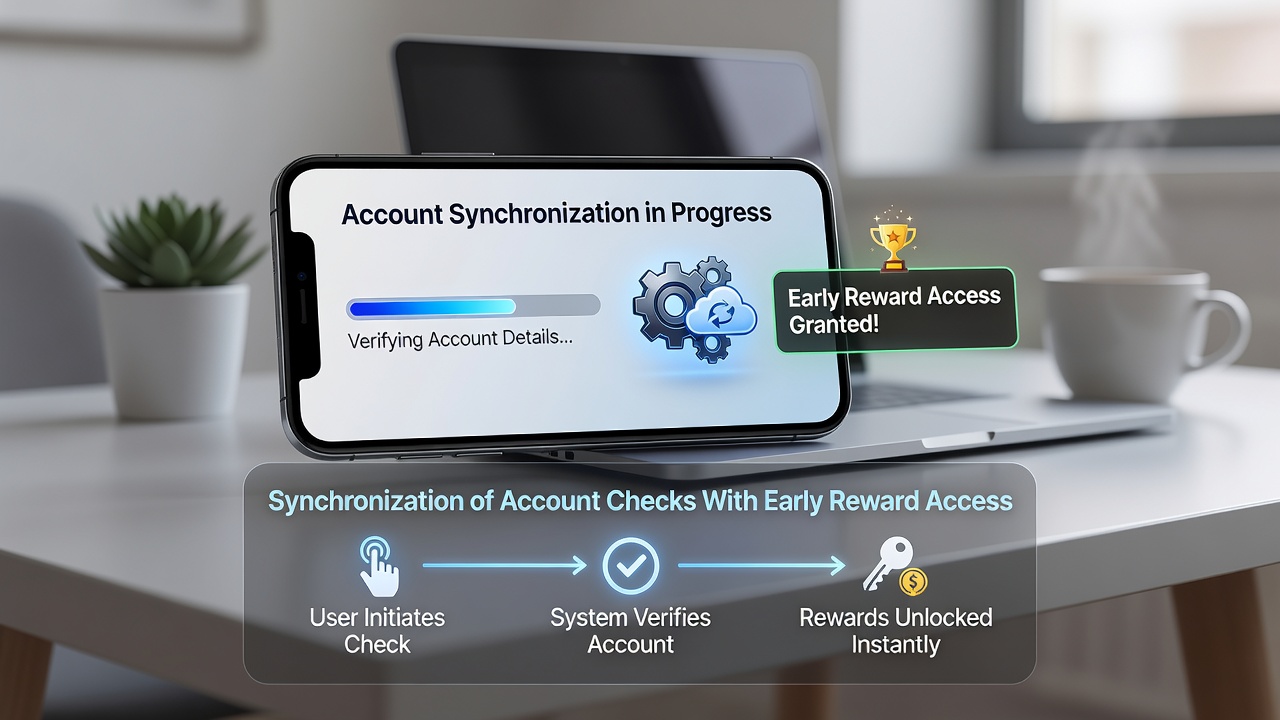
Users on portable gambling platforms frequently encounter progress indicators that display verification stages alongside available rewards, creating transparency without requiring separate navigation. Case examples demonstrate that when synchronization works effectively, players complete onboarding and access initial bonuses within a single session, reducing drop-off rates compared to sequential processes that force waiting periods. What's interesting is how operators adjust reward values dynamically according to verification progress, granting smaller amounts immediately and scaling up once full checks conclude.
Multiple platforms now offer tutorial overlays that explain how account checks interact with reward access, helping users understand why certain features remain locked until specific milestones pass. Evidence suggests these educational elements improve compliance because informed users submit required documents promptly rather than abandoning the process midway.
Conclusion
Coordination between account verification and early reward systems continues to evolve as portable gambling platforms refine their technical and regulatory approaches. Ongoing advancements in identity technology and data integration support faster yet secure reward distribution, while regional frameworks shape the precise boundaries of what operators can unlock before full clearance. These developments reflect broader shifts toward efficient digital services that maintain necessary safeguards throughout the user journey.